![]() |
|
||||||||||||||||||||||||||||||||||||||||||||
|
||||||||||||||||||||||||||||||||||||||||||||
Absolute
best massage |
||||||||||||||||||||||||||||||||||||||||||||
![]() |
||||||||||||||||||||||||||||||||||||||||||||
![]() |
||||||||||||||||||||||||||||||||||||||||||||
![]() |
||||||||||||||||||||||||||||||||||||||||||||
| Welcome | ||||||||||||||||||||||||||||||||||||||||||||
|
|
||||||||||||||||||||||||||||||||||||||||||||
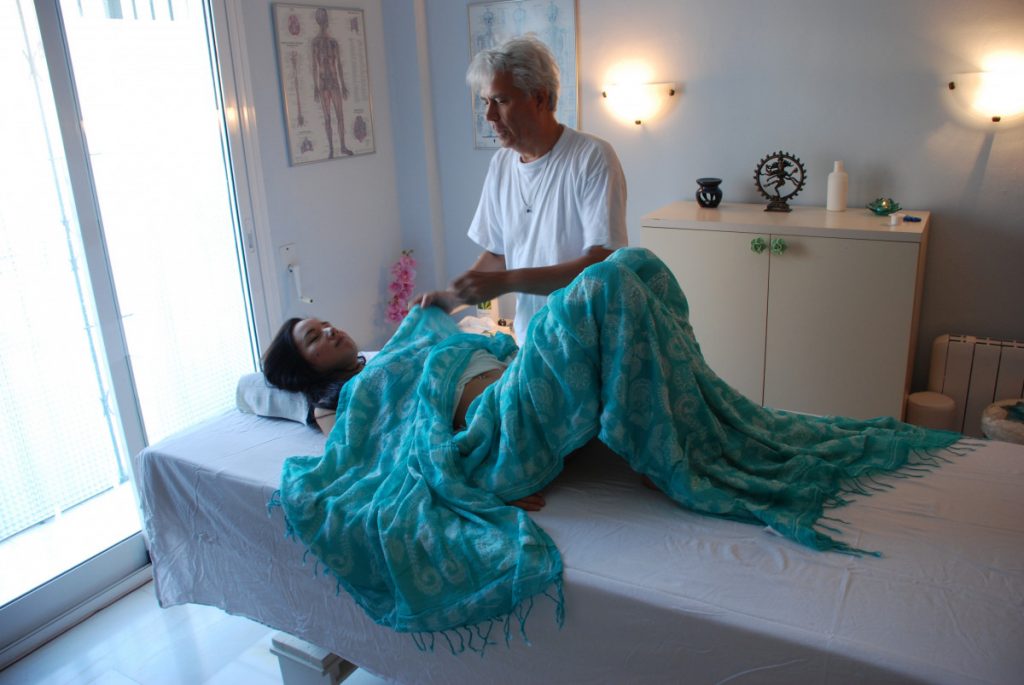
| Welcome to the website of Jelle Schaegen and Pascalle Sweerts. We have more than twenty years of elaborate experience in working with neck, back, shoulder and hip related problems. We can make use of several Bodywork and Massage Techniques to help you with your complaints. On this website we will give you an idea about how we work and explain the terms we use. Just to make things more easy we have chosen to refer to very good articles written by professional bodyworkers. But that does not mean that we ourselves have little to tell or to teach. On the contrary, we will be happy to share valuable information with you when you visit us. If you would like to expand your understanding about the terms we use, may we suggest to you that you visit Wikipedia? There is a huge amount of relevant information available on this subject. Bodywork is the term that is used to describe many different techniques that are used to provide healing and relaxation through physical manipulation. This manipulation of the body can be achieved in many ways depending on what type of therapy is being used. Some forms of bodywork involve manipulation of posture, exercise, energy rebalancing, and more. The term applies to many different types of therapies and treatments, including the following and more: Chiropractic, Rolfing, Postural Integration, Rebalancing, Craniosacral Therapy, Bioenergetics, Neo-Reichian Therapy, Alexander technique, Reiki, Myotherapy, Massage. There are three categories of techniques that are used in bodywork. While some forms of bodywork will utilize more than one of these, to be considered bodywork, it must consist of at least one: Massage, Energy Balancing, Movement Awareness and Structural Realignment. Most bodywork techniques are based on a holistic view of health and believe that it is just as important to treat the mind as it is the body. There is also a necessity to provide relevant information about the literal or experiential meaning of what physical, emotional, mental or spiritual well being is. Pascalle Sweerts Who
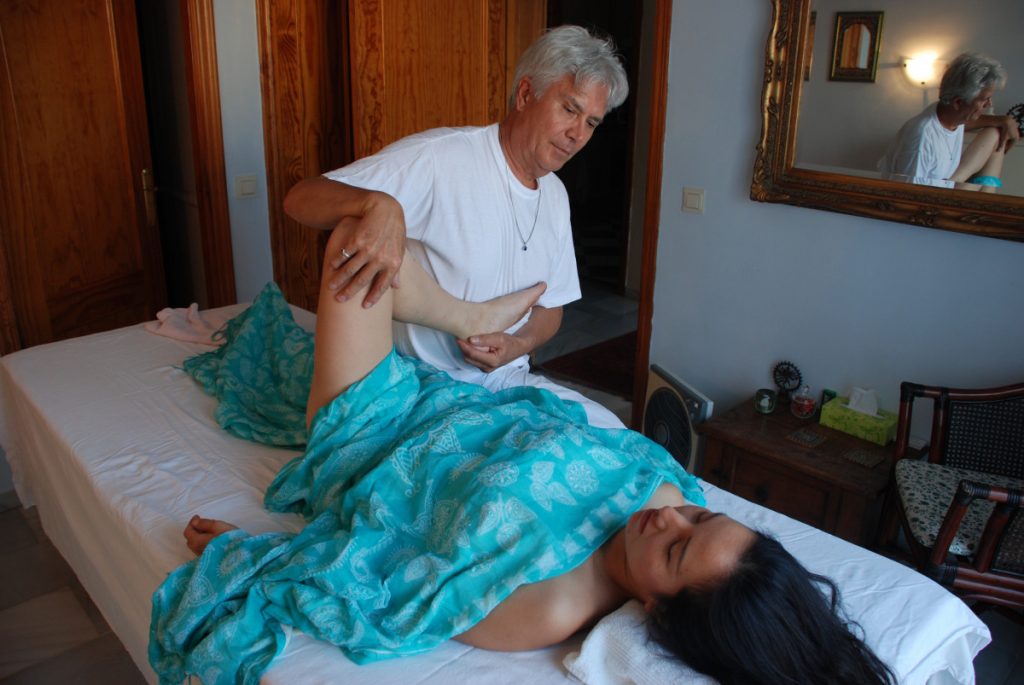
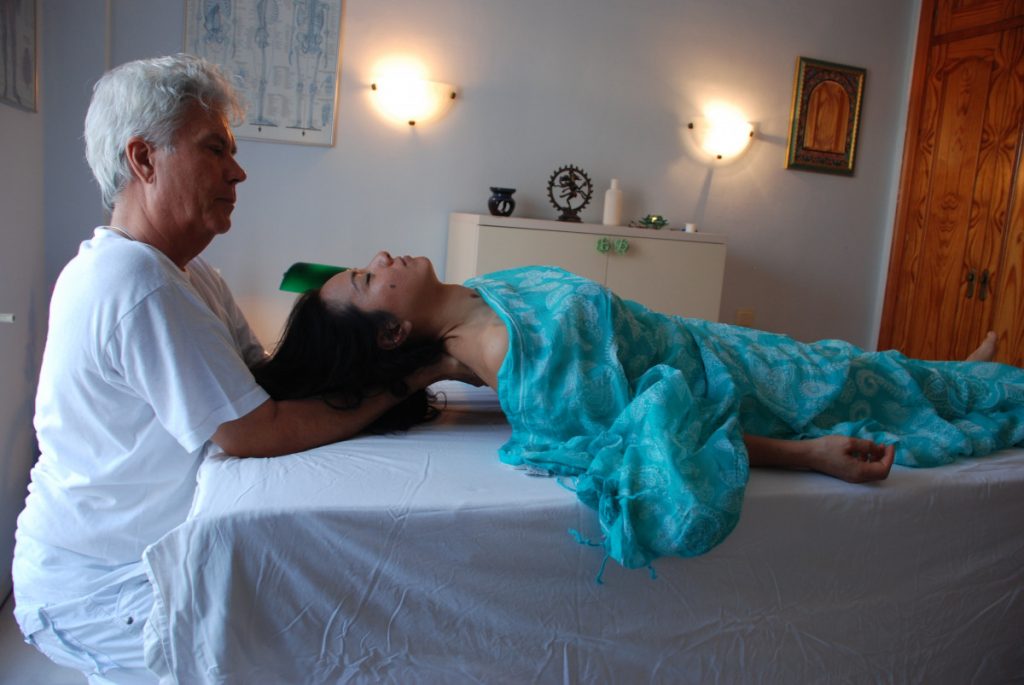
Can Benefit From Many people from all walks of life, both young and old, can benefit from bodywork therapy. The most important thing is to inform your bodywork practitioner of any medical conditions you may have, as well as to ask your physician if there is any reason you shouldn’t receive a specific bodywork therapy treatment. Bodywork therapy can help in many ways, physically, emotionally and mentally. Research the many different forms of bodywork to determine which one is best for you. Massage-Classifieds Unlike conventional massage which works with the movement of circulation and nervous tension, Deep Tissue bodywork (which includes Myofascial Release and Fascial Stretching) focuses on the long-term patterns of resistance and compensation in the muscles and connective tissues of the body. Even when deeply relaxed, our body still holds and maintains a set of imprinted limitations which are the basis for numerous pains and restrictions in expression both physical and non-physical. Deep Tissue bodywork relies on the understanding of the different connective tissue layers of the body, and in the ability to work with these layers to relax, lengthen, and release holding patterns in the most effective and energy efficient way possible. In Deep Tissue bodywork the emphasis is on altering structures and muscle restrictions, and most people feel an increased degree of relaxation, the alleviation of pain, and longer lasting benefits. Myofascial release is used to evaluate and treat restrictions in the body's contractile connective tissues (muscles) and non-contractile supportive connective tissues (fascia) by the application of gentle traction, pressures and positioning. Fascia is a complex supportive web throughout the body affecting all components of the musculoskeletal, nervous and visceral (organ) systems. It surrounds groups of muscle fibres, and entire muscle groups and organs. While it is not contractile, it can be passively elastically deformed. That is how it retains tensions from physical and emotional traumas. It is also involved when a person suffers chronic pain or physical dysfunction. Chronically tense muscles restrict blood flow and fatigue the body. Both fascia and muscle tissues can become shortened if they are improperly used. As well, layers of fascia can stick together. Myofascial release techniques are used to coax muscles in spasm to relax, and break adhesions in the fascia. Bodies respond to these therapies by releasing tension that has been stored in the fascia, thus allowing more functional flexibility and mobility of the muscles, fascia and associated structures. Lucien Demaris There are few therapists who are able to create a release of the iliopsoas muscle with their hands in a safe and pleasurable way. Many years ago I developed a special method that would enable me to implement exactly what was needed. During the years I have used that manipulation technique a couple of thousand times with great success. Down here you can read about the iliopsoas muscle and I have added some links to give you more relevant information. Jelle Schaegen The psoas muscle is involved in many of the acute and chronic problems of the body. It's hard to believe the amount of pain and suffering caused by a muscle so deep in the abdomen. Some of the conditions involving the psoas include: low back pain, sacroiliac pain, sciatica, disc problems, spondylolysis, scoliosis, hip degeneration, knee pain, menstruation pain, infertility, and digestive problems. The list can also include biomechanical problems like pelvic tilt, leg length discrepancies, kyphosis, and lumbar lordosis. What keeps the psoas in contraction? The psoas will stay contracted because of postural habits and trauma. The way we stand, walk and sit can distort the psoas. If we walk or stand with our chin in an overly forward position the muscle will tighten. Ida Rolf wrote, "a deteriorated psoas" chronically flexes the body at the level of the groin, so that it prevents truly erect posture. Sitting through much of the day the psoas shortens to keep us bio mechanically balanced in our chairs. Over time we develop a "normal" way of holding the psoas that is dysfunctional. Unresolved trauma can keep the psoas short and reactive. After a traumatic occurrence animals will release their protective responses by shaking. Humans often bypass this release response and hold the trauma in their bodies. Until the psoas is released the muscle may stay contracted and fearful and go into further shortening and spasm very easily. Barry Krost Links About The Psoas Energy balancing is based on the existence of patterns of energy within and around the body that form a matrix used by the body to maintain itself in a state of "wellness." The principle behind balancing is that every living organism is in constant movement, a vibration of energy, a contraction and expansion of the life force itself. Life energy moves within every cell of the body through channels called meridians or currents generating energy fields both inside and outside the body. These fields may be influenced to temporarily alter the flow of energy within the body. This temporary influence may be the result of (or) caused by the stress of illness, disease, injury or psychological factors. In the normal course of events, when a physical correction, such as the ingestion of proper nutrients is made, the body naturally corrects the flow of life energy. If, for some reason, the flow of energy remains out of balance, energy blocks may be established and chronic health problems arise. In energy balancing we work to release these energy blocks and balance the flow so that healing can take place naturally. Energy balancing does not treat illness or disease. Balancing deals with the energy that flows through and energizes the body's organs and tissues. In practice when influencing energy, we use bi-polar contact, that is, we use two contact on the patient's body simultaneously, a positive and negative contact, using hands, fingers or some combination of the two. By temporarily influencing the energy flow, we remind the body of its natural state of health, a harmonious flow of life energy throughout the body, expressed physically in balanced cellular and biochemical activity. This remembrance of health allows the body to hold this harmonious flow as the body heals itself. Debby Singleton Massage We offer therapeutic but nevertheless pleasurable massages which will have a strong cleansing, rejuvenating and refreshing effect on your body. This realigning treatment will relief stress and pain and lead to deep and longlasting relaxation. You can also choose for a very good and relaxing massage. A nice comforting treatment with a preventive and additive effect on your total health. Facial Massage We offer a very special technique to loosen up all the muscles in your face. You probably never had such a rejuvenating facial massage before and the results will, after about 3 treatments of 30 minutes each, certainly amaze you. The effect will surpass the working of any other natural method, no matter what facial product you are used to apply. Additionally our treatments will build a reliable and long-lasting basis for your usual facial treatments. Most people use only a fraction of their lung capacity for breathing. They breathe shallowly, barely expanding the ribcage. Their shoulders are hunched, they have painful tension in the upper part of the back and neck, and they suffer from lack of oxygen. There are three basic types of breathing 1. Clavicular breathing is the most shallow and worst possible type. The shoulders and collarbone are raised while the abdomen is contracted during inhalation. Maximum effort is made, but a minimum amount of air is obtained. 2. Thoracic breathing is done with the rib muscles expanding the rib cage, and is the second type of incomplete breathing. 3. Deep abdominal breathing is the best, for it brings air to the lowest and largest part of the lungs. Breathing is slow and deep, and proper use is made of the diaphragm. Actually, none of these types is complete. A full Yogic breath combines all three, beginning with a deep breath and continuing the inhalation through the intercostal and clavicular areas. Yoga & Inner Peace Conscious connected breathing is communication with the source of life and a deep peace within ourselves. With proper breathing the physical body feels lighter, freer and we are clearer in our thinking. We will experience a more joyous outlook, emotionally we will be calmer and more serene in dealing with the situations that arise in our daily lives. Energy Balancing International
Proper Breathing Helps Control Emotions When we are emotional, breathing is on the "automatic pilot." As we are focused on the object of our emotion, we hardly every consciously register the close relationship between emotions and breathing. When we are angry, fearful, or anxious, we over-breathe or as one would say in common parlance, we "huff and puff". In case of sadness, suspense, conflict or depression, we under-breathe, "hold our breath," so to say. These changes in the breathing are automatic. Incidentally, there is a chain reaction of other physical changes, such as the release of chemicals, sympathetic, and parasympathetic nervous system activity which accompany the changes in the breathing. Why do I choose to talk about the relationship between emotions and breathing? Because breathing is a unique bodily function which can be "automatic," that is, it can function on its own, without our deliberate effort to breathe and it can also be a conscious, "self directed," and voluntary activity. Dr. V. Sharma
Treatment Price Massage
60/90 Minutes: 60/80 Euro TAX included (VAT/IVA) Schaegen
& Sweerts Bodywork |
||||||||||||||||||||||||||||||||||||||||||||
|
Dutch |
||||||||||||||||||||||||||||||||||||||||||||
|
||||||||||||||||||||||||||||||||||||||||||||
| ARCOS
& LAMERS ASOCIADOS Abogados Economistas |
||||||||||||||||||||||||||||||||||||||||||||
|
|
||||||||||||||||||||||||||||||||||||||||||||
|
||||||||||||||||||||||||||||||||||||||||||||
Location Testimonials Disclaimer
massage,bodywork,therapy,health,beauty,pain,marbella,physio,physiotherapy,sciatica,frozen shoulder,back pain,headache,knee problem,hip problem,prostate problems,migraine,deep bodywork spain,advanced bodywork,psoas release,myofascial release,energy work,energetic bodywork,rebalancing,postural integration,trager,polarity therapy,bio energetics,gestalt,yoga marbella,body wellness,body marbella,sexuality,counselling,counseling,astrology,metaphysics,spirituality,spirit marbella,esoteric,martial arts marbella,healing marbella,meditation marbella,consciousness,the halcyon,craniosacral,feldenkrais,rolfing,aqua balancing,ida rolf,vitamins,body building,cosmetics marbella,ecstasy,kundalini,enlightenment,chakra,stretching marbella,shiatsu marbella,alexander technique,golf bodywork,pilates marbella,nueva andalucia,malaga,puerto banus,david icke,nederlanders marbella,puerto banus,espaņa